Perth's Most Dangerous Plants for Dogs and Cats
Perth gardens are full of plants that thrive in our climate. Hardy, drought-tolerant, and often left to do their own thing once established. Unfortunately, a lot of those same qualities show up in plants that are seriously toxic to dogs and cats.
We've treated pets here at Port City for plant poisonings that owners genuinely didn't see coming. Most people know about chocolate and onions. Far fewer know that the cycad sitting in their front yard, or the oleander hedge along their fence line, could send their dog into liver failure.
Here's what's actually growing in WA backyards and verges that you need to watch for, and what to do if your pet gets into one of them.
Cycads and Zamia Palms
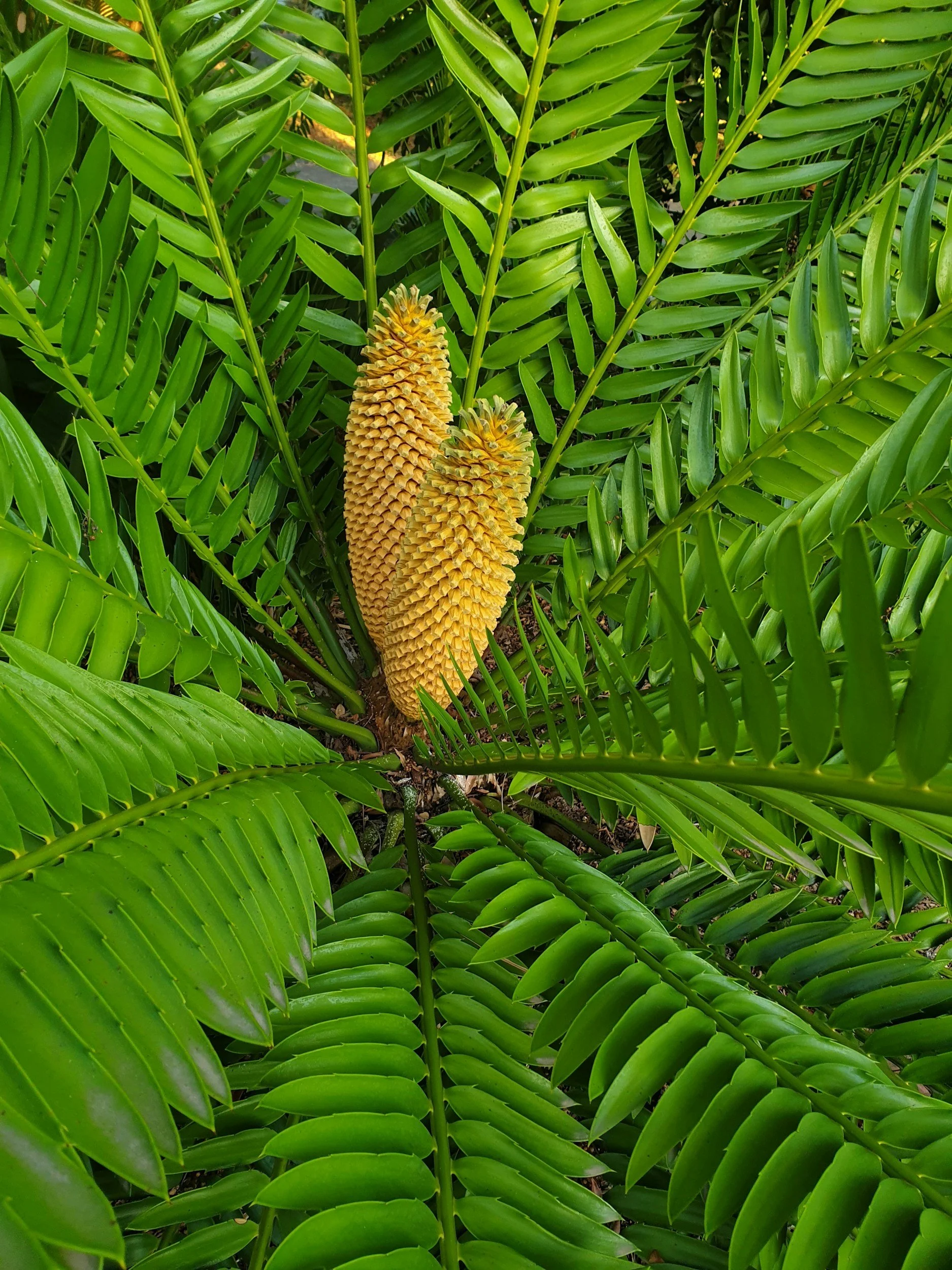
If there's one plant on this list that matters more in Perth than almost anywhere else in Australia, it's the cycad. WA has its own native zamia palms growing wild in bushland around the metro area, and ornamental cycads are everywhere in established gardens, especially older properties in suburbs like Mount Lawley, Nedlands, and South Perth.
Every part of the plant is toxic, but the seeds are by far the most dangerous. Dogs are drawn to them because they look and smell like something worth chewing. A single seed can cause liver failure.
Signs of cycad poisoning
Vomiting and diarrhoea, sometimes with blood
Lethargy and weakness, appearing within hours of ingestion
Jaundice, a yellow tinge to the gums or eyes as liver damage progresses
Seizures, in advanced cases
Survival depends heavily on how fast treatment starts. If you even suspect your dog has chewed a cycad seed or frond, this is not a wait-and-see situation. Call an emergency vet straight away.
Oleander
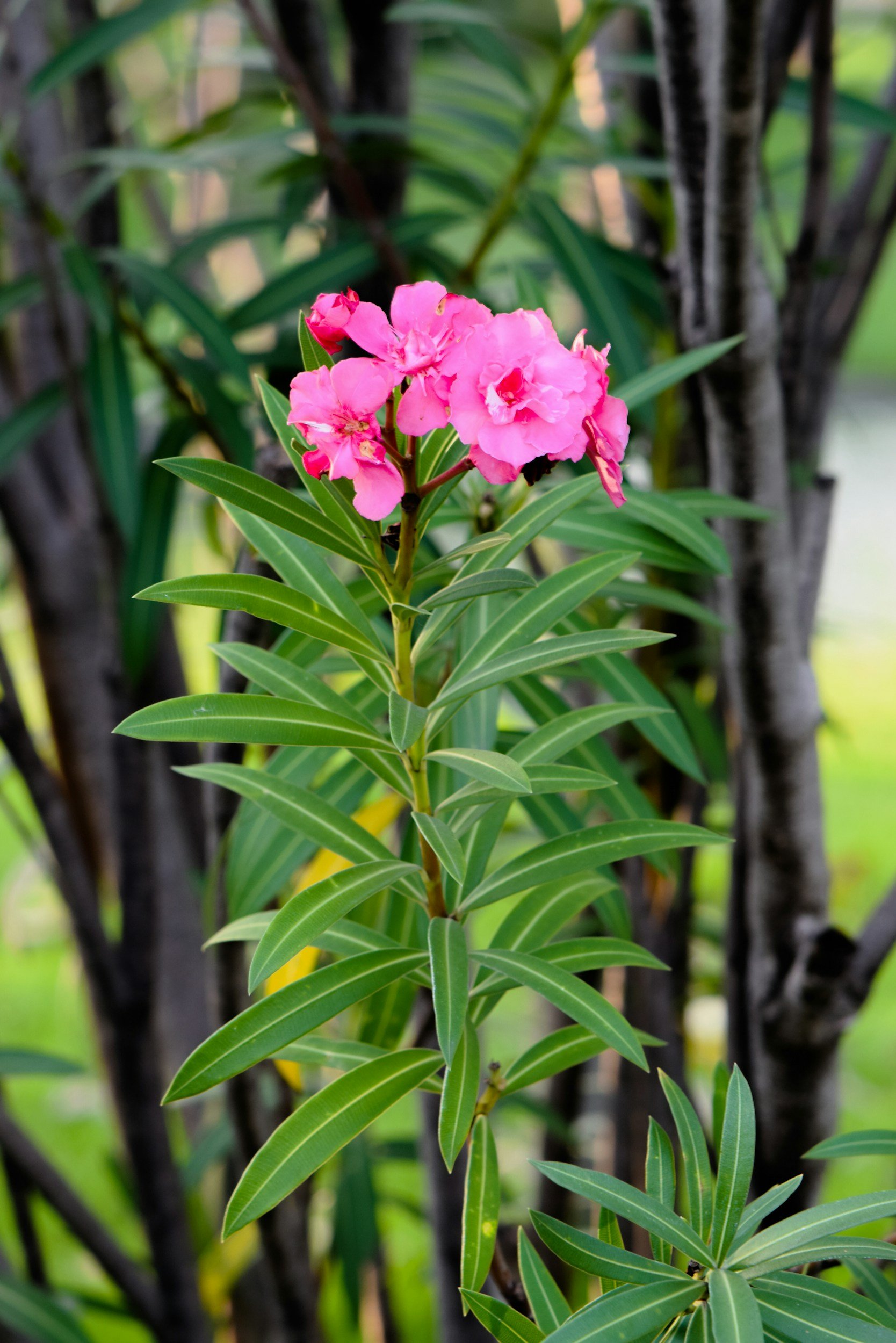
Oleander is one of the most common hedging plants along Perth's roads, schools, and older suburban fence lines. It copes with heat, needs almost no water, and flowers for most of the year, which is exactly why it's everywhere.
Every part of the plant contains cardiac glycosides, compounds that interfere directly with heart function. Dogs and cats that chew on leaves or flowers can develop irregular heart rhythms, vomiting, and in serious cases, sudden collapse.
Even dried leaves blown into a yard from a neighbouring hedge can carry enough toxin to cause problems. If oleander grows anywhere near your property line, it's worth knowing where it is and keeping pets away from clippings or fallen leaves, not just the live plant.
Lantana
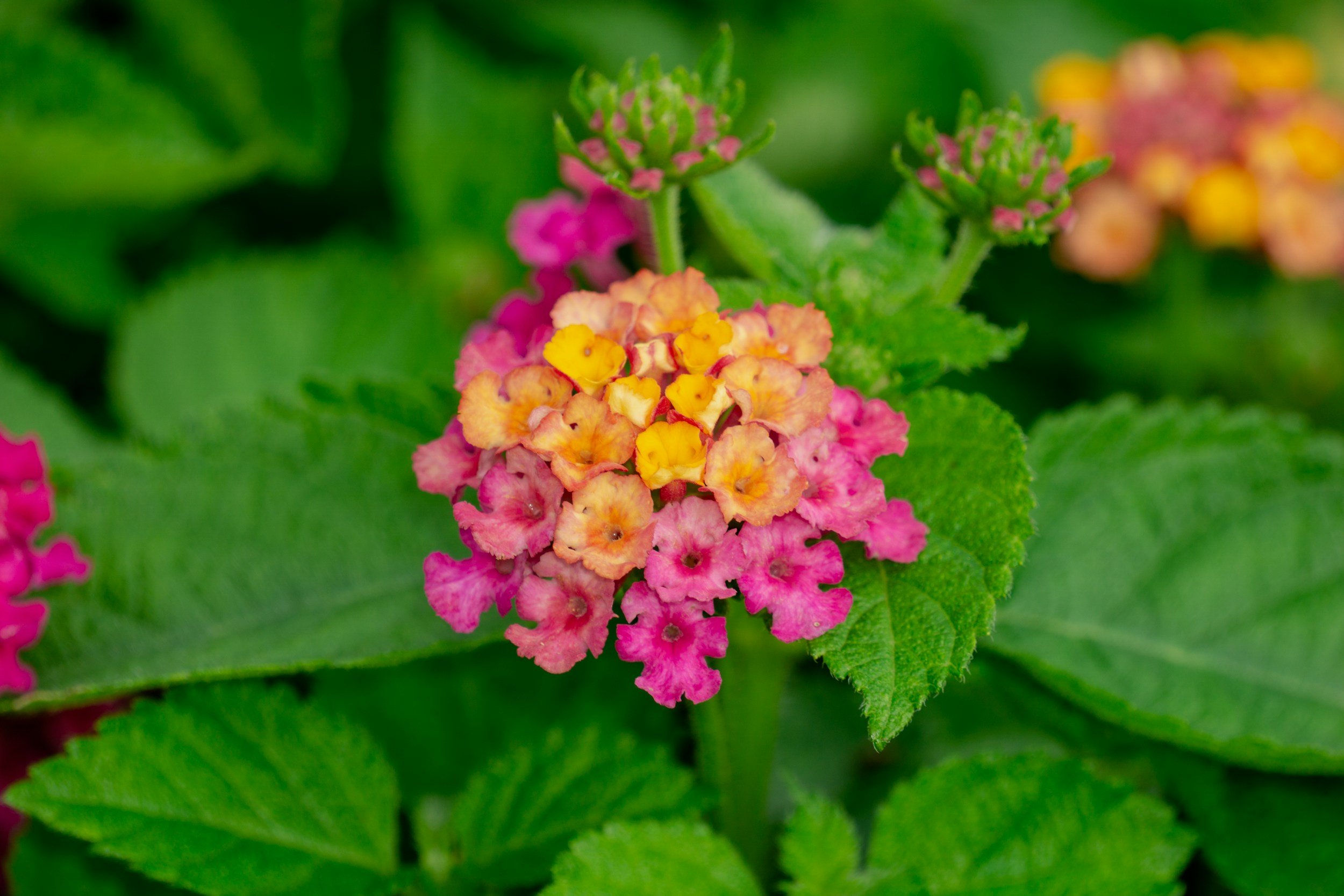
Lantana grows wild across a lot of WA bushland and also turns up as an ornamental shrub in older gardens. It's the small dark berries that cause the most trouble, particularly for puppies that treat anything bite-sized as fair game.
Toxicity affects the liver and can cause sensitivity to sunlight, vomiting, and lethargy. It's rarely fatal on its own, but it's unpleasant and absolutely worth a vet visit if your dog has been eating the berries.
Kangaroo Paw
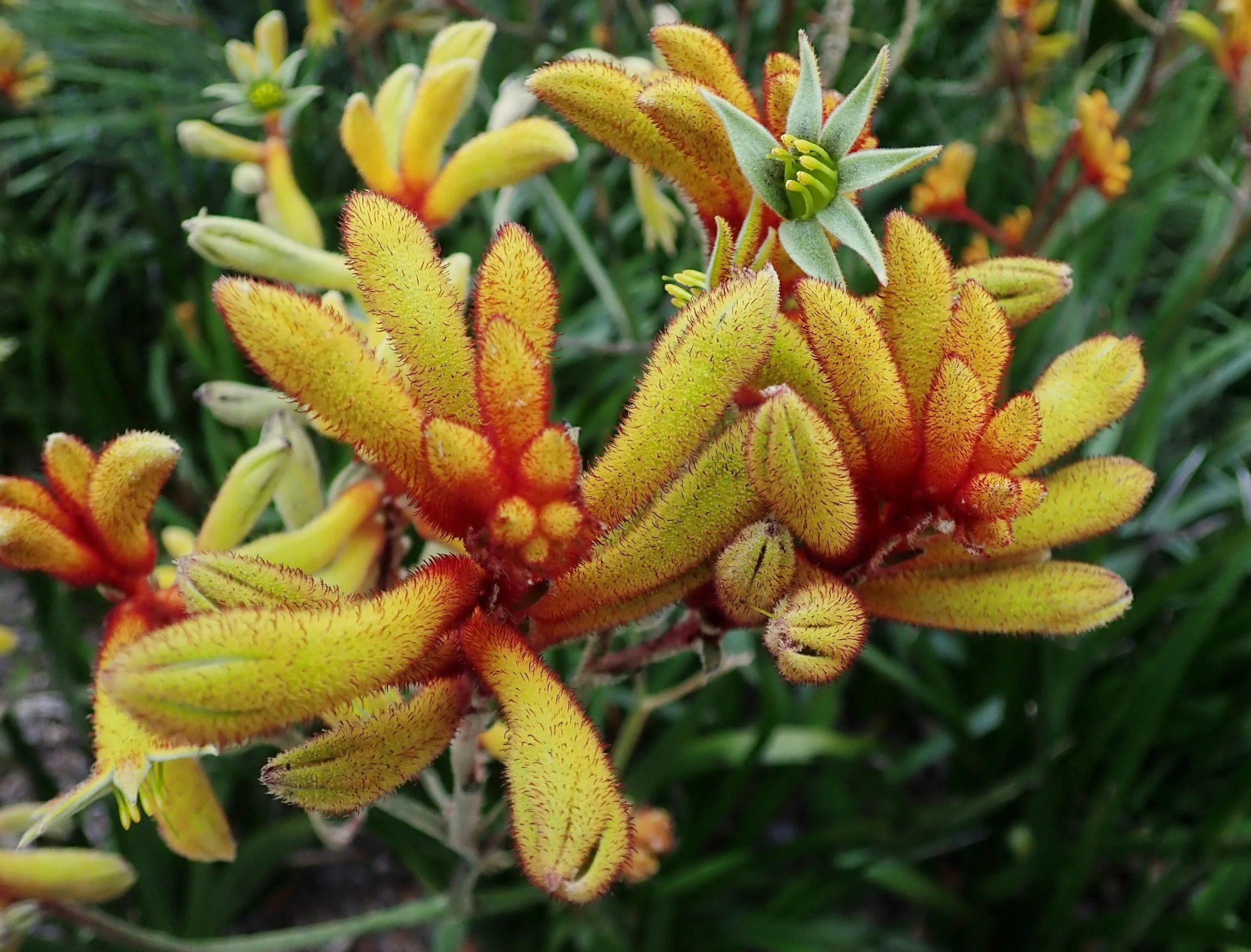
This one surprises a lot of Perth pet owners, because kangaroo paw feels like the safest possible choice for a WA native garden. It's drought tolerant, low maintenance, and proudly local.
The plant contains saponins, which can cause vomiting and digestive upset if a dog or cat eats a meaningful amount of the leaves or flower stems. It's generally mild compared to cycads or oleander, but it's still worth knowing about, especially if you've got a young dog that likes to dig up and chew garden plants rather than just walk past them.
Macadamia Trees
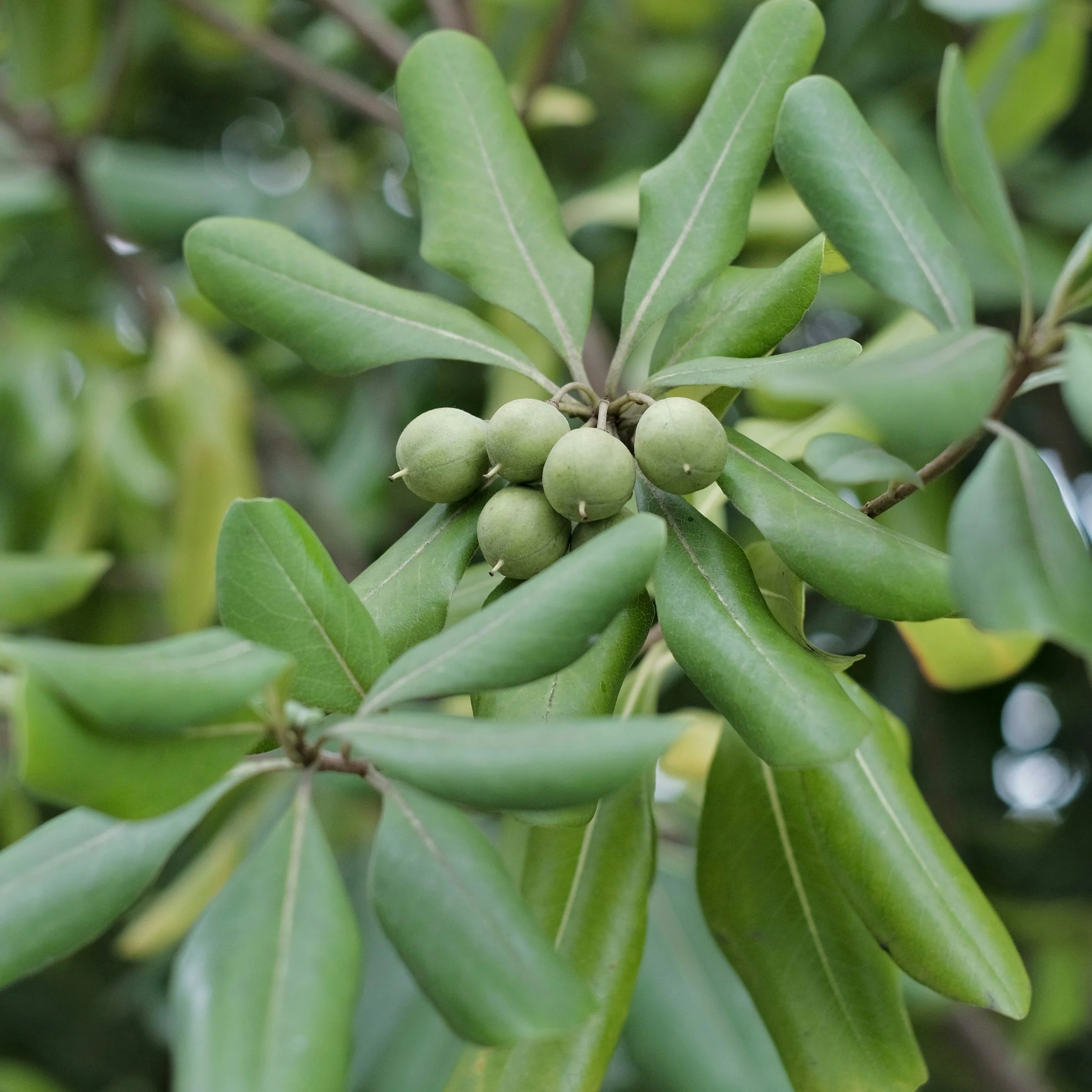
Macadamia trees do well in Perth's climate and are a fairly common backyard fruit and shade tree. The nuts, whether raw, roasted, or fallen and rotting on the ground, are toxic to dogs.
Symptoms usually show up within twelve hours and include weakness in the back legs, tremors, vomiting, and a raised temperature. It's rarely life-threatening, but it's distressing to watch and warrants a vet check, particularly to rule out anything more serious going on at the same time.
What to Do If Your Pet Eats a Toxic Plant
Time matters more than almost anything else with plant poisoning. The faster a vet can intervene, the better the outcome, especially with cycads and oleander.
Don't wait for symptoms. If you've seen your pet chewing on a known toxic plant, treat it as an emergency, not a 'let's see how they go' situation.
Bring a sample if you can. A photo or a piece of the plant helps your vet identify exactly what's involved and treat accordingly.
Don't try to induce vomiting at home. Some plant toxins do more damage on the way back up. Let your vet make that call.
Call ahead. Letting the clinic know you're coming means the team can be ready before you arrive.
Port City Emergency Vet Is Open When You Need Us
We're open 24 hours a day, every day of the year, with no appointment necessary. If your dog or cat has eaten something from the garden and you're not sure how serious it is, don't wait it out at home. Plant toxicity can move fast, and the earlier we see your pet, the more options we have.
Call us on 08 6185 1726 any time, day or night. If you're not sure whether it's an emergency, call anyway. That's exactly what we're here for.